
What is a Tubal Ectopic Pregnancy?
Ectopic Pregnancy is a pregnancy where the egg attaches itself to a spot other than the uterine wall.
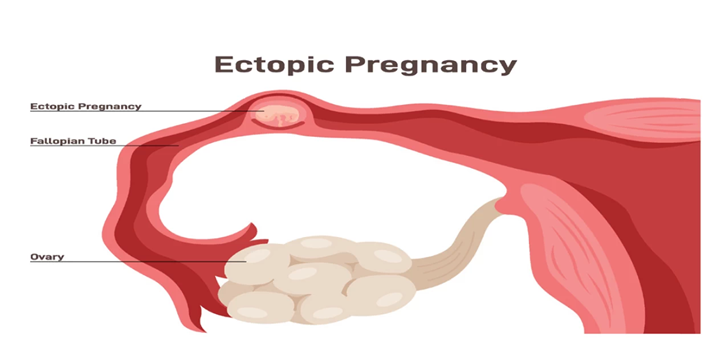
Most often this is in a fallopian tube and is known as a “tubal pregnancy”
A tubal ectopic pregnancy is a pregnancy that will never reach term. Unfortunately, this means that there is no chance of the fetus surviving.
In the U.S. the odds of having an ectopic pregnancy are about 1 in 50 births, or 2%
Wait…How does this happen?

Ectopic pregnancy starts the way that normal pregnancy starts. At first there won’t be symptoms that anything is wrong. Normal pregnancy stuff; a missed period here, a little nausea. All very normal things.
Ectopic pregnancies can be caused by many different things. In a tubal pregnancy, the egg gets stuck in the fallopian tube and is fertilized. This can be due to hormonal imbalances, damage to your fallopian tube, missing a fallopian tube, age or even prior c-sections. It’s important to remember that while these may increase your chances of an ectopic pregnancy, they don’t guarantee one.
What is going on in your body is not normal in terms of pregnancy and that’s okay. It is important to understand what is happening and what to look out for. Unfortunately, your egg attached itself and has decided to try and grow in a spot that isn’t made for a baby to grow in. As that fertilized egg grows, signs and symptoms will show themselves.
Signs and Symptoms
The warning signs of an ectopic pregnancy are not always easy to see and many times get misdiagnosed. Go to the emergency room immediately if you are experiencing any sudden onset of the following symptoms with your pregnancy.
- Lower Abdominal Pain
- Vaginal Bleeding
- Lightheadedness
- Pelvic Pain
- Shoulder pain
- The sudden and strong urge to pass a bowel movement when nothing is there
- Fainting

What are the Dangers?
Carrying a tubal ectopic pregnancy too long can be extremely dangerous. If your tube ruptures, you have a high likelihood of dying if medical intervention is not received. See your doctor if any signs are present. Be adamant if you feel something is wrong. Describe how you are feeling, ectopic pregnancies are often misdiagnosed because of how close the symptoms are to other illnesses. The dangers of ectopic pregnancy are real, and your life may depend on it.
- Around 20% of Ectopic Pregnancies go misdiagnosed right away
- Fallopian tube ruptures are the most dangerous
- Ruptures are the leading cause of death among mothers in the first trimester
- 5-10% of all pregnancy-related deaths are due to Ectopic pregnancy ruptures
- Left unchecked, Tubal Ectopic pregnancy is lethal
Ectopic pregnancy is a serious condition that may become life-threatening for the mother. It is important to take care of yourself and listen to your body. During treatment and after. You know how you feel best.
If you believe you may have an ectopic pregnancy or are experiencing any signs or symptoms of an ectopic pregnancy, please visit your doctor or locate the nearest emergency room.
Treatment

Depending on when the ectopic pregnancy is caught, there are different treatment options that may be pursued. The earlier the detection of the ectopic pregnancy, the easier it is to manage your treatment. Treatments may include
- Preventative treatment (i.e. Limit partners to prevent STI, No smoking, Birth control types and usage, fertility treatments)
- Medication
- Surgical removal
With emergency treatment, the option is always surgical removal. Lifesaving surgery is required in these situations.
During and Aftercare
- What you are going through is traumatic for your body and mind. Allow yourself to feel and process all the emotions that follow. Most importantly, allow your body, mind and soul to rest and heal.
- You are likely to experience sadness. You lost a part of you, this is understandable. It is okay to feel this way.
- It is important to take care of your mental health along with your physical health.
- Eat healthily and work back into normal routine slowly. Your doctor will instruct you on specific aftercare treatment.
List of Resources
Provided are links and a list of resources that may be of benefit if you or someone you know is experiencing a difficult time after ectopic treatment.
- Pregnancy and Infant Loss Resources – PHA Wellness
- Groups/Events – Growing Through Loss – Twin Cities South Suburban
- Support Groups – AllPaths Family Building
- Ectopic Pregnancy Support Group
- Suicide and Crisis Helpline – text or call 988
- National Depression Helpline – 1-866-629-4564

Note from the Author
My wife experienced a tubal ectopic pregnancy with our first child together. She ended up having emergency fallopian tube removal surgery. We were devastated. Losing what was to be our child deeply affected us. For me it was mentally taxing. My wife’s experience was different. She had mental pain and physical pain, but she also had a pain that I can never experience the same way. A loss to a connection that was a literal physical part of her. While I could not feel her pain for her or take it away, I could support her. In doing so this traumatic event brought us closer instead of pushing us away. Not long after my wife had finished recovering, we had the unexpected happen, she was pregnant again. Her single fallopian tube had migrated over to her fallopian less ovary and picked up the egg! 9 months later a beautiful healthy baby girl was born. Through all the darkness and hardship came light. Yes, we still mourn the loss of life that was ectopic, but we had to keep moving forward. Most importantly we needed to support each other. Take care of yourself, each other and keep pressing forward. Be strong, you just survived a traumatic life event. Everything is going to be okay. Even when it doesn’t feel like things will get better, they will, I believe in you.
-Britton Stratton/JonassBermttoni

References
Ectopic Pregnancy. (n.d.). Www.reproductivefacts.org. https://www.reproductivefacts.org/news-and-publications/fact-sheets-and-infographics/ectopic-pregnancy/
Mayo Foundation for Medical Education and Research. (n.d.). Ectopic pregnancy. Mayo Clinic. https://www.mayoclinic.org/diseases-conditions/ectopic-pregnancy/symptoms-causes/syc-20372088?cjdata=MXxOfDB8WXww&cjevent=ee684d37016011f183fa00460a1eba24&cm_mmc=CJ-_-100357191-_-5250933-_-Evergreen%2BLink%2Bfor%2BMayo%2BClinic%2BDiet&utm_source=cj&utm_content=100357191&utm_capaign=3-months
Mullany, K., Minneci, M., Monjazeb, R., & C Coiado, O. (2023). Overview of ectopic pregnancy diagnosis, management, and Innovation. Women’s health (London, England). https://pmc.ncbi.nlm.nih.gov/articles/PMC10071153/
Singh, S., Mohsin, Z., Parveen, S., & Haider, A. (2025). Clinical profile and outcome in ectopic pregnancy in a teaching institution: A prospective observational study. Journal of Family Medicine and Primary Care, 14(9), 3894–3899. https://doi.org/10.4103/jfmpc.jfmpc_86_25